
Ginger Oleoresin: The Concentrated Heat Behind the World's Favourite Flavours
Editorial Team · 15 Aug 2026
Ginger is one of the most recognisable flavours on the planet — sharp, warm, and unmistakable in everything from ginger ale to Asian stir-fries to wellness shots. But behind many of those products isn't fresh ginger root at all. It's ginger oleoresin, a concentrated extract that's become a staple ingredient for food, beverage, and pharmaceutical manufacturers worldwide.
What Is Ginger Oleoresin?
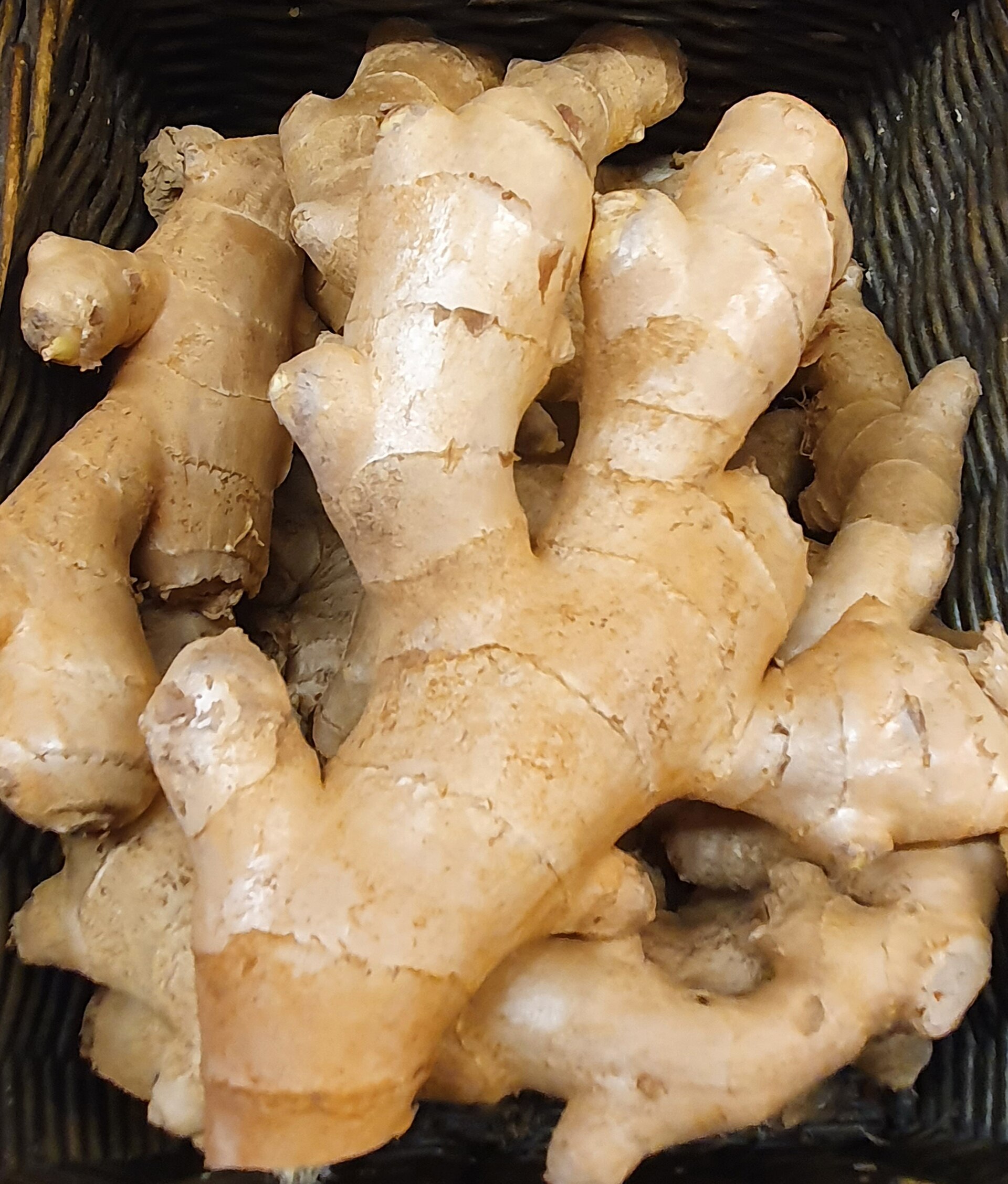
Ginger oleoresin is produced by solvent-extracting dried ginger rhizomes (Zingiber officinale), capturing the plant's pungent compounds — primarily gingerols and shogaols — along with its characteristic aromatic oils. The result is a thick, concentrated extract that delivers the full flavour and heat profile of raw ginger in a fraction of the volume. For manufacturers working at scale, that concentration means easier dosing, longer shelf life, and none of the moisture or spoilage concerns that come with fresh or dried ginger.
Why Demand for Ginger Oleoresin Is Rising
Two trends are driving growth in this category simultaneously. First, the functional beverage boom — ginger shots, kombuchas, energy drinks, and digestive tonics — has turned ginger into one of the most sought-after "better-for-you" flavour ingredients globally. Second, the same clean-label pressure reshaping the broader spice extract industry applies here too: brands want standardized, natural flavouring that doesn't rely on artificial ginger flavour compounds.
Ginger's association with digestive health, nausea relief, and anti-inflammatory properties also gives it a functional health story that pure flavour ingredients don't have, which is pulling nutraceutical and supplement brands into the buyer pool alongside traditional food and beverage manufacturers.
Where Ginger Oleoresin Is Used
- Beverages: Ginger ales, ginger beers, kombucha, functional shots, and herbal teas
- Food: Sauces, marinades, baked goods, confectionery, and instant noodle seasoning
- Nutraceuticals & pharma: Digestive health supplements, anti-nausea formulations, and cold and flu remedies
- Cosmetics & personal care: Warming massage oils, scalp and hair care formulations
- Animal feed: Flavour and appetite-stimulant additive in premium feed blends
This spread across categories — flavour, function, and formulation — is what makes ginger oleoresin a resilient product line rather than a single-industry play.
Key Buying Considerations
For buyers sourcing at volume, a few specifications matter most:
- Pungency level: measured by gingerol content, which determines flavour intensity and suitability for different applications
- Aroma profile: beverage and confectionery buyers often want a more volatile-oil-forward extract, while pharma buyers prioritize standardized gingerol percentage
- Solvent residue compliance: extraction solvents must meet food-safety limits under FSSAI, FDA, or EU regulations depending on destination market
- Certifications: ISO, HACCP, Kosher, and Halal certification are common requirements for international buyers
- Consistency across batches: since raw ginger quality varies by harvest and region, buyers should ask suppliers how they standardize oleoresin strength batch to batch
Ginger Oleoresin vs. Ginger Oil: Not the Same Thing
It's worth clarifying a common point of confusion. Ginger essential oil is steam-distilled and captures mainly the volatile aromatic compounds — it smells like ginger but carries very little of the pungent "heat." Ginger oleoresin, by contrast, is solvent-extracted and retains both the aroma and the gingerol-driven pungency. Buyers formulating for flavour intensity (beverages, sauces, confectionery) typically need oleoresin, while those formulating primarily for fragrance or topical aromatherapy may lean toward the essential oil. Some manufacturers use a blend of both to fine-tune the final flavour profile.
Why Source Ginger Oleoresin from India
India is among the world's largest ginger producers, with established processing regions and extraction infrastructure built specifically around spice exports. That proximity to raw material means Indian exporters can offer more competitive pricing and tighter quality control than buyers sourcing through longer, multi-country supply chains. Working directly with an established Indian ginger oleoresin exporter also means easier access to Certificates of Analysis, consistent batch documentation, and the flexibility to customize gingerol standardization for specific formulations.
The Takeaway
Ginger oleoresin sits right at the intersection of flavour, function, and clean-label demand — a combination that's kept it firmly on the radar of food, beverage, pharma, and cosmetic manufacturers alike. As functional beverages and natural wellness products continue expanding globally, demand for consistent, high-quality ginger oleoresin sourced directly from India is set to keep climbing.
This is the third article in our series on India's oleoresin and spice oil export industry. Next up: pepper oleoresin and its role in the global flavour industry.