
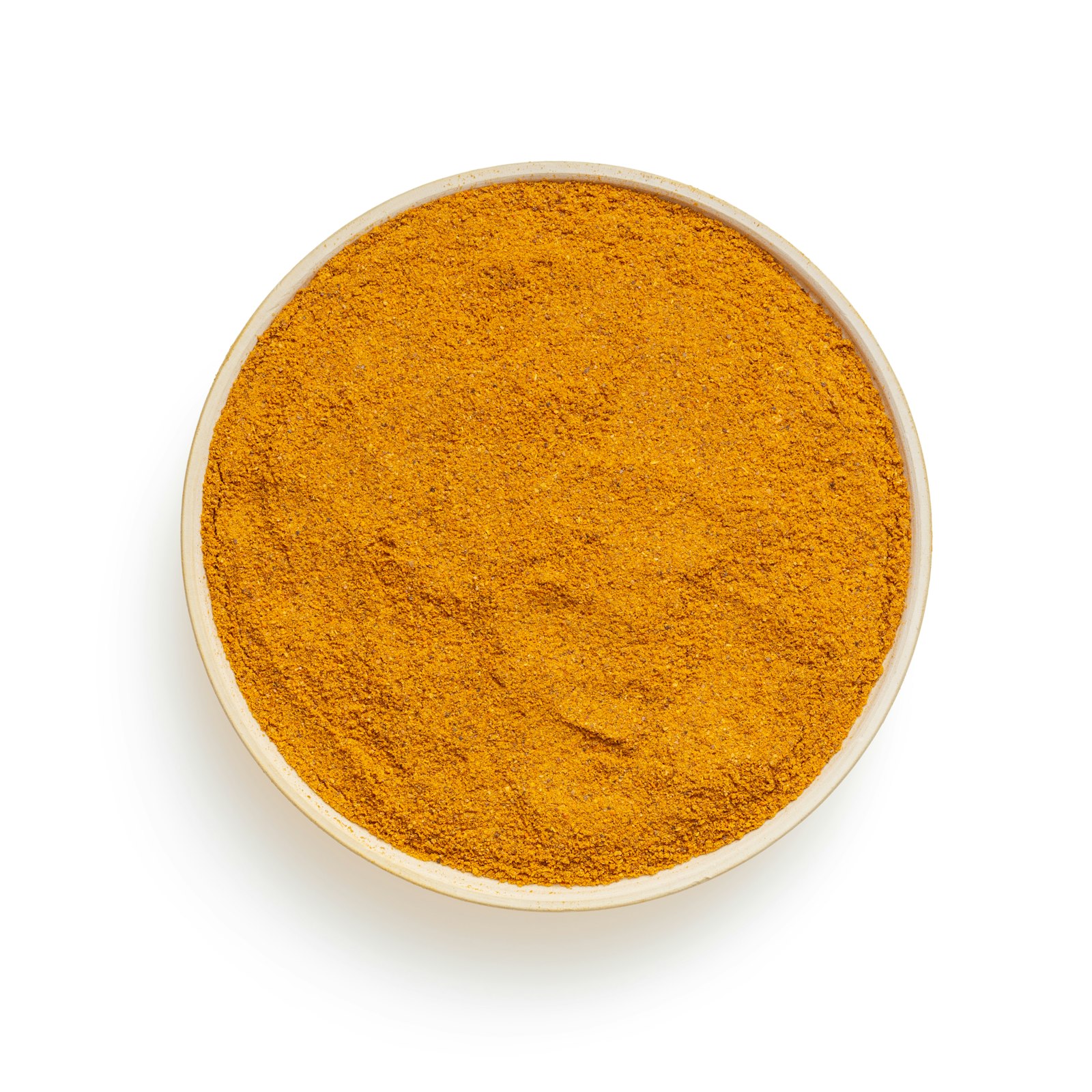
Turmeric Oleoresin: The Golden Extract Powering Global Food, Health & Beauty Industries
Editorial Team · 08 Aug 2026
If there's one Indian spice extract quietly showing up in products across supermarket shelves worldwide, it's turmeric oleoresin. Behind the vivid orange-yellow hue in sauces, snacks, supplements, and skincare, chances are there's a concentrated dose of Indian turmeric doing the work.
What Is Turmeric Oleoresin?
Turmeric oleoresin is a concentrated extract obtained from dried turmeric rhizomes (Curcuma longa) through solvent extraction. Unlike turmeric powder, which contains the whole ground root, oleoresin captures the plant's active compounds — curcuminoids, essential oils, and colour pigments — in a compact, potent form. A small quantity of oleoresin can replace a much larger quantity of raw spice, which is exactly why food and pharma manufacturers prefer it at industrial scale.
Why Turmeric Oleoresin Is in Growing Demand Worldwide
Global interest in turmeric has exploded over the last decade, driven largely by curcumin's reputation as a natural anti-inflammatory and antioxidant compound. But the shift isn't only about health trends. Food manufacturers across the US, Europe, and Southeast Asia are actively replacing synthetic yellow dyes (like Tartrazine) with natural alternatives — and turmeric oleoresin is one of the most stable, cost-effective natural colourants available.
At the same time, the clean-label movement means consumers are reading ingredient lists more closely than ever. Brands that can list "turmeric extract" instead of an E-number additive have a genuine marketing edge, which is pushing procurement teams toward reliable oleoresin suppliers.
Where Turmeric Oleoresin Is Used
- Food & beverage: Natural colouring in sauces, soups, snacks, cheese, mustard, and beverages
- Nutraceuticals & pharma: Curcumin-standardized extracts for supplements, capsules, and functional health products
- Cosmetics & personal care: Natural pigmentation and antioxidant properties in skincare, soaps, and face masks
- Animal feed & poultry: Natural pigmentation additive in feed formulations
This range of applications is exactly why demand isn't confined to one industry — it spans FMCG, pharma, and beauty simultaneously, giving the category more resilience than most single-use spice extracts.
Key Buying Considerations
Not all turmeric oleoresin is created equal, and specification matters when sourcing at volume:
- Curcumin content: typically standardized between 10% and 95%, depending on the intended application
- Colour value: measured for consistency across batches, critical for food colour applications
- Solvent residue compliance: buyers should confirm extraction solvents meet food-safety limits (FSSAI, FDA, EU standards)
- Certifications: look for ISO, HACCP, Kosher, Halal, and organic certification depending on your target market
- Traceability: the ability to trace the extract back to source farms adds credibility, especially for premium and organic buyers
Why India Leads Global Turmeric Oleoresin Supply
India grows and processes the vast majority of the world's turmeric, giving Indian exporters direct access to raw material, established extraction infrastructure, and decades of processing expertise. This translates into more competitive pricing and shorter supply chains compared to buyers sourcing through multiple intermediaries.
For international buyers — food manufacturers, nutraceutical brands, and cosmetic formulators — working directly with an established Indian turmeric oleoresin exporter means better quality control, consistent specifications, and a supply chain built around the crop's actual origin.
Turmeric Oleoresin vs. Turmeric Powder: What's the Real Difference?
Buyers new to the category often ask why anyone would choose oleoresin over simply using turmeric powder. The answer comes down to concentration, consistency, and cost-efficiency at scale. A kilogram of turmeric oleoresin can deliver the colour and curcuminoid strength of many kilograms of raw powder, which significantly reduces shipping weight, storage space, and formulation variability. For large manufacturers running continuous production lines, that consistency isn't a nice-to-have — it's essential for meeting exact product specifications batch after batch, something raw powder (which varies with crop, soil, and harvest conditions) simply can't guarantee on its own.
How Extraction Quality Affects the Final Product
Not every extraction process produces the same result. Solvent choice, extraction temperature, and post-extraction purification all influence the final oleoresin's colour value, curcumin percentage, and shelf stability. Reputable exporters work with food-grade solvents, follow strict residue-removal protocols, and test every batch before release — details that matter enormously to buyers formulating pharmaceutical-grade or infant-nutrition products, where even trace impurities are unacceptable. When evaluating a supplier, it's worth asking directly about their extraction method and requesting a Certificate of Analysis (COA) for each shipment rather than relying on generic product sheets.
The Takeaway
Turmeric oleoresin sits at a rare intersection: a natural ingredient trend, a functional health story, and a practical industrial replacement for synthetic additives. As more manufacturers move toward clean-label and naturally derived ingredients, demand for high-quality, standardized turmeric oleoresin from India is only set to grow.
This is the second article in our series on India's oleoresin and spice oil export industry. Next up: pepper oleoresin and its role in the global flavour industry.