India to South Korea botanical export: who we supply
South Korea is one of the most demanding botanical markets in Asia, and one of the most rewarding for a supplier who keeps records straight. Our team at Faar Earth Collective Exports supplies South Korea from India, working with health functional food companies, cosmetic and skincare brands, tea and beverage makers and the trading firms that feed them.
Korean customers tend to compare several suppliers side by side, test every lot and write detailed purchase specifications. We welcome that. A buyer who checks carefully is a buyer who stays, and our own process is built to withstand a laboratory comparison.
Which Indian herbs and extracts sell in Korea
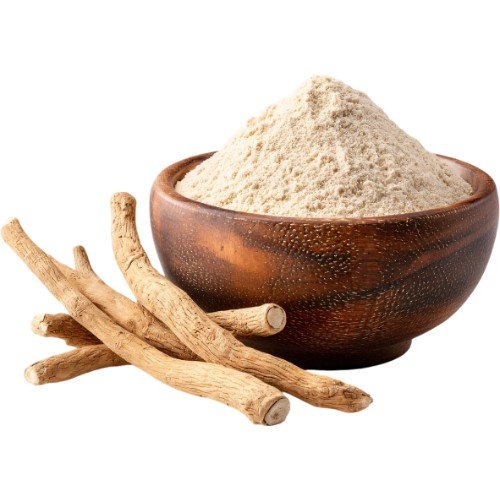
Ashwagandha, turmeric and curcumin extract, moringa, amla, tulsi, green tea extract and black pepper extract with piperine appear most often in enquiries. Ashwagandha has found a loyal audience among stress and sleep products, while turmeric and amla suit the broader antioxidant and beauty-from-within trend.
For cosmetics, we also supply botanical powders and extracts with low microbial counts and a stated colour range. For health food, we provide the marker compound, the method used, such as HPLC for withanolides or curcuminoids, and the batch result.
Korean regulations and what we help you document
In Korea, imported food and food ingredients are reported to the food safety authorities, and health functional food has its own framework with a list of recognised ingredients and individually recognised functional ingredients. A plant that is allowed in one category may not be allowed in another, and some botanicals are treated as medicinal materials.
Your regulatory partner decides the correct route for each product. We provide the botanical and Latin name, plant part, country of origin, manufacturing flow, specification and test reports, which are the documents Korean reviewers and importers usually ask for first.
Pesticide residues, heavy metals and microbiology
Korea applies a positive list approach to pesticide residues, so a pesticide without a set limit can face a very strict default. We therefore recommend a residue screen on every botanical lot headed for Korea, together with heavy-metal and microbiology results. Where the manufacturer can run them, we attach the reports to the COA.
If your product will carry a clean-label or non-irradiated claim, tell us before ordering. Some Indian herbs are treated to control microbes, and an untreated lot may need a different process and a slightly longer lead time.
Shipping botanicals from India to South Korea
Sea cargo normally loads at Nhava Sheva or Mundra and sails to Busan or Incheon, usually with a transhipment at Singapore or another hub. Port-to-port time is roughly 20 to 28 days. Air freight to Incheon takes about 3 to 6 days and suits samples and small urgent lots.
Packing is food-grade and sealed, in lined drums or foil-laminate bags inside cartons, with batch labels in English. Quotations use FOB or CIF terms. We list the documents with every quote, so your Korean broker can check them before the vessel sails.
Samples, specifications and communication
Korean buyers often send a full specification sheet with the first enquiry. Please do, even if it is long. We compare it line by line, mark what the manufacturer can meet and tell you plainly where a limit is outside the range, rather than let you find out at the laboratory.
A 5 kg trial lot is available, and we can send duplicate samples with a shared batch number for your retained file. Correspondence is in English, and we reply to technical questions in writing so that nothing depends on memory.
Seasonality, lead times and forecasting
Korean production schedules are tight, so we ask buyers for a rough six-month forecast. With it, we can book seasonal material such as leaf and root early and keep a reserve for your standing orders. Lead times depend on the grade, the season and any extra testing you request, and each quotation states them plainly. If a harvest runs late, you hear it from us first, not from a delayed container.
Price basis and payment terms
Prices depend on assay level, volume, season and freight terms, and we quote them on FOB or CIF as you prefer. Payment terms are written into the quotation and agreed before the first shipment. Korean customers often compare offers line by line, so we itemise the specification, packing, documents and terms, which makes a fair comparison easy and avoids surprises at invoicing.
Request your India to South Korea quote
Pass us the product, grade, quantity and port together with your specification sheet, however long it is. Our written reply arrives within one working day and marks each line as met, adjustable or out of range. Korean health food and cosmetic brands tell us that this early honesty saves weeks, and we would like to earn the same verdict from your team.
After the quote, a 5 kg trial lot travels to your laboratory, and the first full order follows once the numbers agree.